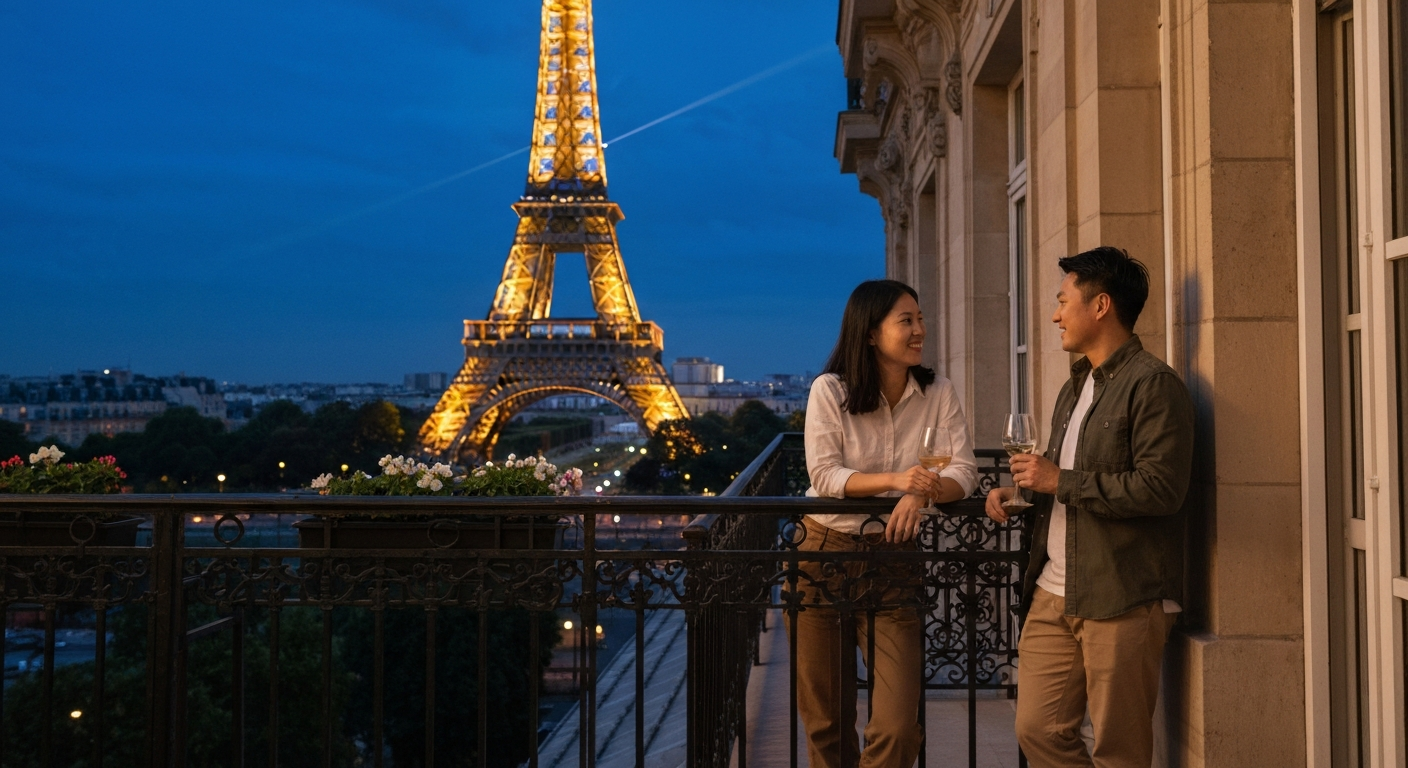
How Can You Experience Europe with Elegance and Ease Through Slow Travel?
Quick Answer
Slow travel in Europe means staying longer in fewer places—like a week in a Tuscan villa, a Parisian apartment, or a Provence farmhouse—rather than racing through multiple cities. Choose one region for 7-14 days, book a single base, plan 3-4 key experiences instead of 15, arrange private local connections like cooking classes and vineyard tours, and build in do-nothing days. Slow travel often costs less per day than fast-paced travel while delivering deeper, more meaningful experiences.
Are You Needing a Vacation From Your Vacation?
The traditional approach to European travel often involves racing through multiple countries in a matter of days. You are checking off landmarks, packing and unpacking every two nights, eating meals on the go, and returning home more exhausted than when you left. You saw the Eiffel Tower, the Colosseum, and the canals of Venice—but did you actually experience any of them? Or did you experience them through a camera lens, behind a crowd, rushing to the next checkpoint?
You want to see the world, but you also want to actually relax. At Elevated Journeys, we believe travel should be expansive, not exhausting. We champion the art of slow travel—depth over breadth, connection over consumption, and the luxury of time. This is not about doing less; it is about experiencing more by doing less.
What Is Slow Travel, Really?
Slow travel is a philosophy, not a pace. It means choosing to stay longer in fewer places, engaging deeply with the local culture, and allowing your itinerary to breathe. Instead of four cities in seven days, you might spend a week in one village, learning its rhythms, meeting its people, and letting the experience unfold naturally. The result is not a checklist of sights seen but a collection of moments felt—a conversation with a winemaker, a morning at the local market, an afternoon spent reading in a garden that belongs, for a few days, to you.
Settling In: The Basecamp Approach
Instead of changing hotels constantly, slow travel encourages settling into a region. We often recommend:
- A luxury villa in Tuscany: A private estate with a pool, a garden, and a chef who comes twice a week. Use it as a base for day trips to Siena, Montalcino, and the Val d'Orcia, returning each evening to your own terrace for dinner under the stars.
- A chic apartment in Paris: Live like a Parisian for a week. Shop at the local market, cook in your own kitchen (or have a private chef), and explore different neighborhoods at a leisurely pace. No hotel breakfast buffets—just the corner cafe where they know your order by day three.
- A boutique retreat in Provence: A stone farmhouse surrounded by lavender fields, with a pool, a garden, and the Luberon villages as your playground. Market days, wine tastings, and long lunches are the agenda.
- A historic estate in the Scottish Highlands: An exclusive-use castle where you can fish, hike, and explore at your own pace, with a dedicated staff to handle everything else. Learn more about castle stays in Scotland.
This approach allows you to unpack once, establish a rhythm, and truly experience the local lifestyle. You become a temporary local, not a permanent tourist.
Meaningful Local Connections: Experiences You Cannot Book Online
When you slow down, you have the opportunity to connect with the culture in ways that are impossible on a fast-paced trip. We arrange immersive, private experiences that go beyond the guidebook:
- A cooking class in a local's home: Not a commercial cooking school, but a grandmother's kitchen in Umbria, where you learn to make pasta by hand and then sit down to eat it together.
- A private tour of a family-owned vineyard: Walk the rows with the winemaker, taste from the barrel, and hear the family's story over a long lunch.
- A morning at the regional market with a chef: Shop for ingredients together, then return to your villa for a private cooking class using what you found.
- An artisan workshop visit: Spend an afternoon with a local craftsman—a leather worker in Florence, a ceramicist in Provence, a weaver in the Scottish Borders—learning their craft and their story.
Embracing the Unplanned: The Luxury of Empty Space
A beautifully designed luxury itinerary leaves space for the unplanned. This is perhaps the most counterintuitive element of slow travel, and the most important. It is the freedom to:
- Linger over a long lunch in a sun-drenched piazza, watching the world go by, without checking your watch.
- Wander down a cobblestone street just to see where it leads, and discover a tiny bookshop or a hidden garden.
- Spend an entire afternoon reading by the sea, or sketching in a cafe, or simply doing nothing at all.
- Say yes to an invitation—from a local you meet, from an experience that presents itself, from a moment that was not in the plan.
We design the framework, but leave room for magic. The best travel moments are almost always the ones you did not plan.
The Economics of Slow Travel: Less Can Cost Less
There is a practical advantage to slow travel: staying longer in one place often costs less per day than moving frequently. You save on transportation costs, avoid the premium of one-night stays, and can take advantage of weekly rates on villas and apartments. The experiences—cooking classes, market visits, long lunches—are often less expensive than a day of guided tours and museum entries. Slow travel is not just better for the soul; it can be better for the budget.
How to Start Slow Traveling
If you are accustomed to fast-paced travel, slowing down can feel uncomfortable at first. Here is how we help you make the shift:
- Choose one region, not three countries. Pick a place that intrigues you and commit to it for 7-14 days.
- Book a base, not a series of hotels. A villa, an apartment, or a boutique hotel where you stay for the duration.
- Plan 3-4 key experiences, not 15. Leave the rest of your time open for exploration and spontaneity.
- Hire a local guide for one day. Not to herd you through sights, but to orient you to the neighborhood, the market, and the culture.
- Build in a do-nothing day. One day with absolutely nothing planned. This is where the magic happens.
Change the Way You Travel
Ready to experience Europe with elegance and ease? Schedule a consultation with us and let's design a slow, beautiful journey tailored just for you. You can also explore our quiet luxury destinations on the Amalfi Coast for inspiration.
Frequently Asked Questions
What is slow travel?
Slow travel is a philosophy of staying longer in fewer places to engage deeply with local culture rather than rushing through multiple destinations. It means choosing one region for a week or more, settling into a single base like a villa or apartment, and prioritizing meaningful experiences and local connections over checking off landmarks. The result is deeper, more restorative travel.
How long should a slow travel trip be?
A minimum of 7 days in one place is recommended for slow travel, though 10-14 days is ideal. This allows you to unpack once, establish a rhythm, meet locals, and leave space for spontaneity. Even a 5-day trip can be slow travel if you stay in one place and resist the urge to day-trip every day.
Is slow travel cheaper than regular travel?
Slow travel can be more cost-effective per day. Staying in one place saves on transportation costs, weekly villa and apartment rates are often lower than nightly hotel rates, and local experiences like market visits and cooking at home cost less than daily restaurant meals and guided tours. The key tradeoff is time, not money.
Where are the best destinations for slow travel in Europe?
The best slow travel destinations in Europe include Tuscany (villas with day trips to hill towns), Provence (farmhouse base for Luberon village exploration), Paris (apartment living like a local), the Amalfi Coast (seaside base for coastal exploration), and the Scottish Highlands (exclusive-use estate for nature and culture). Choose a region that rewards lingering.
Ready to write your own story?
Let us design a bespoke journey inspired by these destinations and experiences.
Inquire About Your Journey